

What to Do Before Your First Open water dive After Certification

So you’ve got your shiny new open water certification card, and now the open water is calling. Congrats! You survived the classroom sessions, the confined water drills – probably swallowed a fair amount of pool water in the process – and your open water training dives. But there’s a funny thing that happens to a lot of newly certified divers: you finish your course, life gets busy, and suddenly weeks or months have passed since you last had a regulator in your mouth.
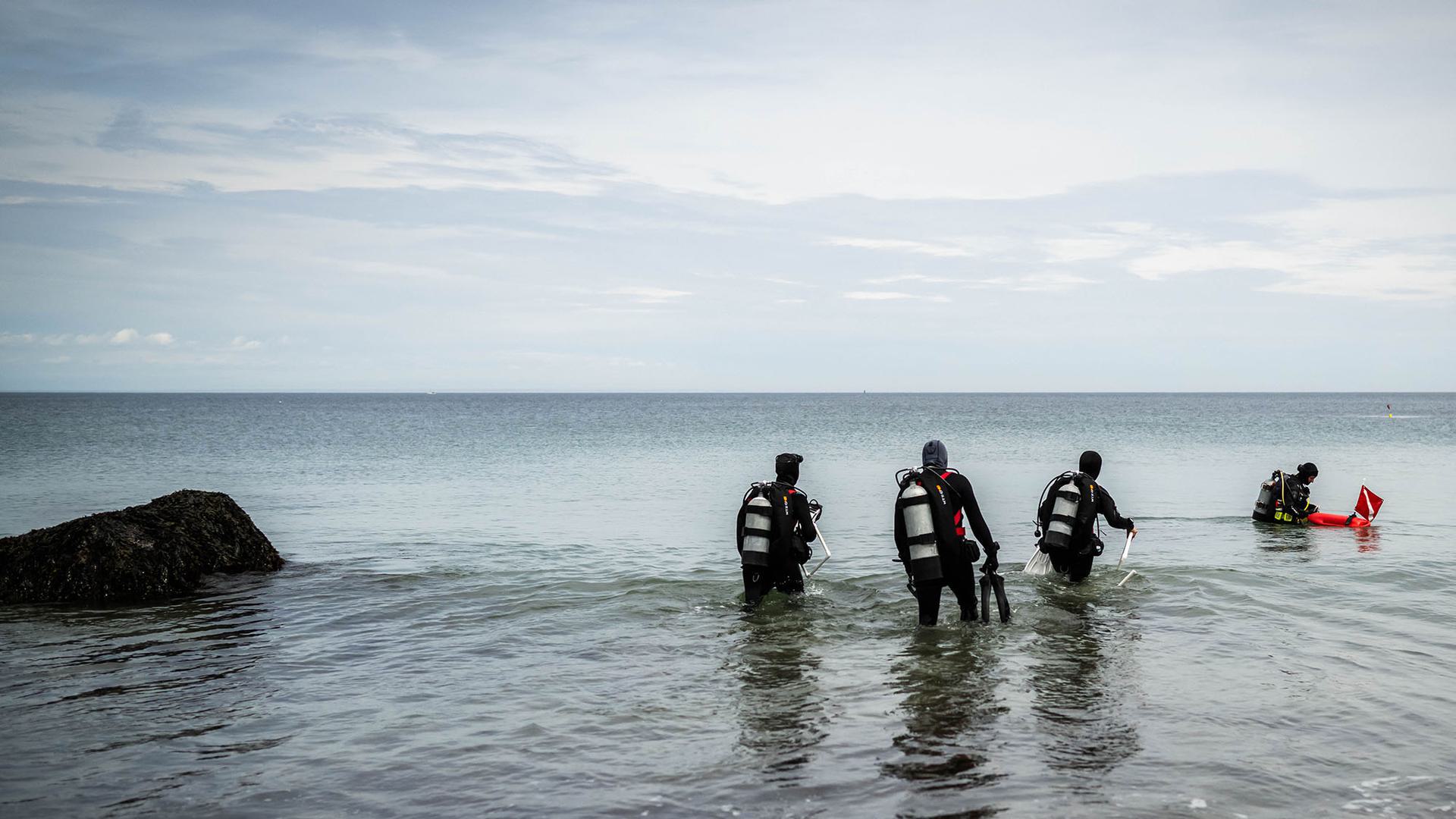
Your first open water dive after certification is a big deal, and a little preparation goes a long way toward making it one of the best experiences of your life instead of a stressful mess. This guide covers the practical steps you should take before you giant stride off that boat for the first time on your own.
Shake Off the Rust Before You Go
Even if you finished your certification recently, the skills you drilled in class can fade surprisingly fast. If more than a few months have gone by since you were certified, seriously consider doing a refresher course before your dive. NAUI’s Refresher Scuba program pairs you with a certified instructor who will walk you through the fundamentals again, and it typically takes just a little pool time to feel confident. SSI’s Scuba Skills Update and PADI’s ReActivate are similar options, if that’s what your local shop offers. The shop I instruct through – Dip ‘N Dive in Buffalo – offers refresher courses in the spring, but will always set something up for those interested all year long. You can call up the shop and schedule a pool session with one of our instructors any time (Tell them Scuba Jay set ya).
Even if it hasn’t been that long since your course, spending a session in calm water to practice buoyancy control and mask clearing is never wasted time. Think of the refresher as a warmup lap: nobody runs a race cold.
Sort Out Your Gear Situation
The buy-versus-rent debate is one of the oldest arguments in diving, and the truth is that there’s no single right answer. For your scuba class you most likely already bought your mask, snorkel, fins, boots, weight belt and weights. Beyond those personal items, renting the more expensive stuff like BCDs, regulators, and tanks is totally reasonable when you’re just getting started. When it comes to the buying or renting question, I tell my students to think of how much diving they plan on doing. For example, if they are going to continue on and get their advanced certification, it might be more cost effective for them to buy the additional gear. If they only plan to do a couple of dives a year, renting may be the better option.

A dive computer is something worth buying early on, because it tracks and will store your dive profile and you can learn its interface before you’re 30ft under water trying to figure out which button does what. The key with owning any of your gear is you are familiar with it, which in turn makes you more comfortable overall. And that’s a good thing when getting those first dives in.

Choose a Beginner-Friendly Dive Site
Your first open water dive after certification is not the time to book that advanced drift dive through ripping currents. You want minimal current, good visibility, preferably warm water and a shallow spot where you can relax and actually enjoy yourself. Destinations like Bonaire in the Caribbean are legendary for shore diving with gentle entries and calm conditions. Koh Tao in Thailand has built its whole reputation around catering to new divers, with warm water and many sites that rarely exceed 50ft.

Closer to home for U.S. divers, the Florida Keys offer shallow reefs, warm water, and plenty of dive operators who are used to working with beginners. Whatever you pick, look for a dive shop with small group sizes and guides who are happy to take it slow. Reading recent reviews online will tell you a lot about whether a shop actually caters to new divers or just claims to. For some more information on dive destinations for beginners see my guide to the Top 5 Best Scuba Destinations for Beginners!
Get Dive Insurance (Really, Do This)
Here’s something your certification course probably mentioned, but you may not recall: most normal health insurance policies will not cover treatment in a recompression chamber, let alone the transport to one if you need an airlift, in the event you get decompression sickness (DCS). Same with just normal travel insurance. This could lead to bills in the tens of thousands of dollars.
Places like Divers Alert Network (DAN) and DiveAssure offer dive accident insurance plans with annual premiums that are genuinely affordable. Getting insured before your first open water dive is one of those boring-but-crucial steps that you’ll never regret if something goes sideways.
Don’t Skip the Buddy Check
You learned a pre-dive safety check during your open water course, and you might already be tempted to treat it as optional. Don’t! Whether you were taught PADI’s BWRAF (BCD, Weights, Releases, Air, Final Check), NAUI’s SEABAG, or SDI’s ABCDE method, the concept is the same: go through every piece of gear with your buddy before every single dive. According to DAN’s research on dive accidents, a significant portion of scuba incidents could have been prevented by a proper pre-dive safety check.

On your first open water dive after getting certified, you’ll likely be a little nervous, maybe fumbling with unfamiliar rental gear, possibly distracted by the excitement of seeing a sea turtle from the boat. That’s exactly when you’re most likely to forget something, like, say, turning your air on. Run the full pre-dive safety check with your buddy, take your time with it, and communicate what you’re seeing on each other’s gear out loud. A two-minute check on the surface beats a panic at depth every single time.
Set Realistic Expectations for Yourself
Your first open water dive after certification will probably not look like a nature documentary. Your air consumption will be high, your buoyancy will be a work in progress, and you might accidentally kick your buddy once or twice before you find your groove. All of that is normal and fine. Resist the urge to bring a camera on your first few dives; there’s already too much to manage without also trying to frame a shot of a passing angelfish.

Spend those early dives focused on your breathing, your buoyancy, and staying aware of your buddy and your depth. The pretty pictures will come later, once the basic skills are automatic. Logging your dives afterward is also a great habit to start immediately. Write down your max depth, bottom time, how much weight you used, and anything you noticed about conditions or your own comfort level. That logbook becomes an incredibly useful reference as you build experience.
Just like most things in life, to get good at diving takes good practice. Develop and stick with proper safety habits and before you know it, you’ll have logged many a dive. No go get out there and happy safe diving!
Quick Summary:
- Refresh your skills if it’s been more than a couple months since certification. A pool session or a NAUI Refresher Scuba course will get you back up to speed.
- Invest in gear. It’s fine to rent big ticket items like regulators and BCs, if you’ll only be diving a couple of times a year. But if you’ll be diving more frequently, owning your own gear will give you greater comfort on your dives.
- Pick a destination with easy conditions. Look for warm water, calm currents, shallow sites, and a reputable dive shop.
- Get dive insurance through DAN or a similar provider. Your health insurance and travel insurance probably won’t cover diving accidents.
- Do the full pre-dive buddy check before every dive. No exceptions, no shortcuts.
- Leave the camera at home for now. Focus on your skills, your breathing, and enjoying the experience.
- Log every dive. Your future self will thank you for the data.
If You’re Looking For other Scuba Diving Tips, Check Out The Below.
- Carbon Dioxide Toxicity
- Carbon Monoxide Toxicity
- Oxygen Toxicity
- Decompression Sickness
- Nitrogen Narcosis
- Middle Ear Squeeze
- Scuba Gift Ideas
- Hand Signals
- Mask Fog
- Scuba Tank Markings
- Mask Squeeze
- Reverse Block
- Sinus Squeeze
- Overexpansion Injuries
- Stress And Panic
- Scuba Cameras (Under $600)
- Swimming And Scuba
- Common New Diver Mistakes
- Air Consumption
- Destinations For Beginners
- U.S. Destinations For Beginners
“How boring would the world be if everywhere and everyone were the same. Safe travels and good adventures.” Scuba Jay


